All posts by Kristi

Kristi Beisecker is a graphic designer, photographer, printmaker and alternative scientist whose interested in making images through two contrasting elements. She is also a blogger in lifestyle, travel, wellness and health, art and design, beauty and fashion.

A Classic New England Experience: Uniquely Decorated Guest Rooms at the Inn on Boltwood

#InnonBoltwood #AmherstMA #NewEnglandExperience #SustainableHospitality #30Boltwood

I recently had the pleasure of experiencing the historic Inn on Boltwood in Amherst, Massachusetts. As soon as I arrived, I was immediately struck by the beauty of the lush, maple-lined lawn of Amherst Common and the picturesque campus of Amherst College. It was a stunning first impression, and I couldn’t wait to see what else this treasured landmark hotel had in store.

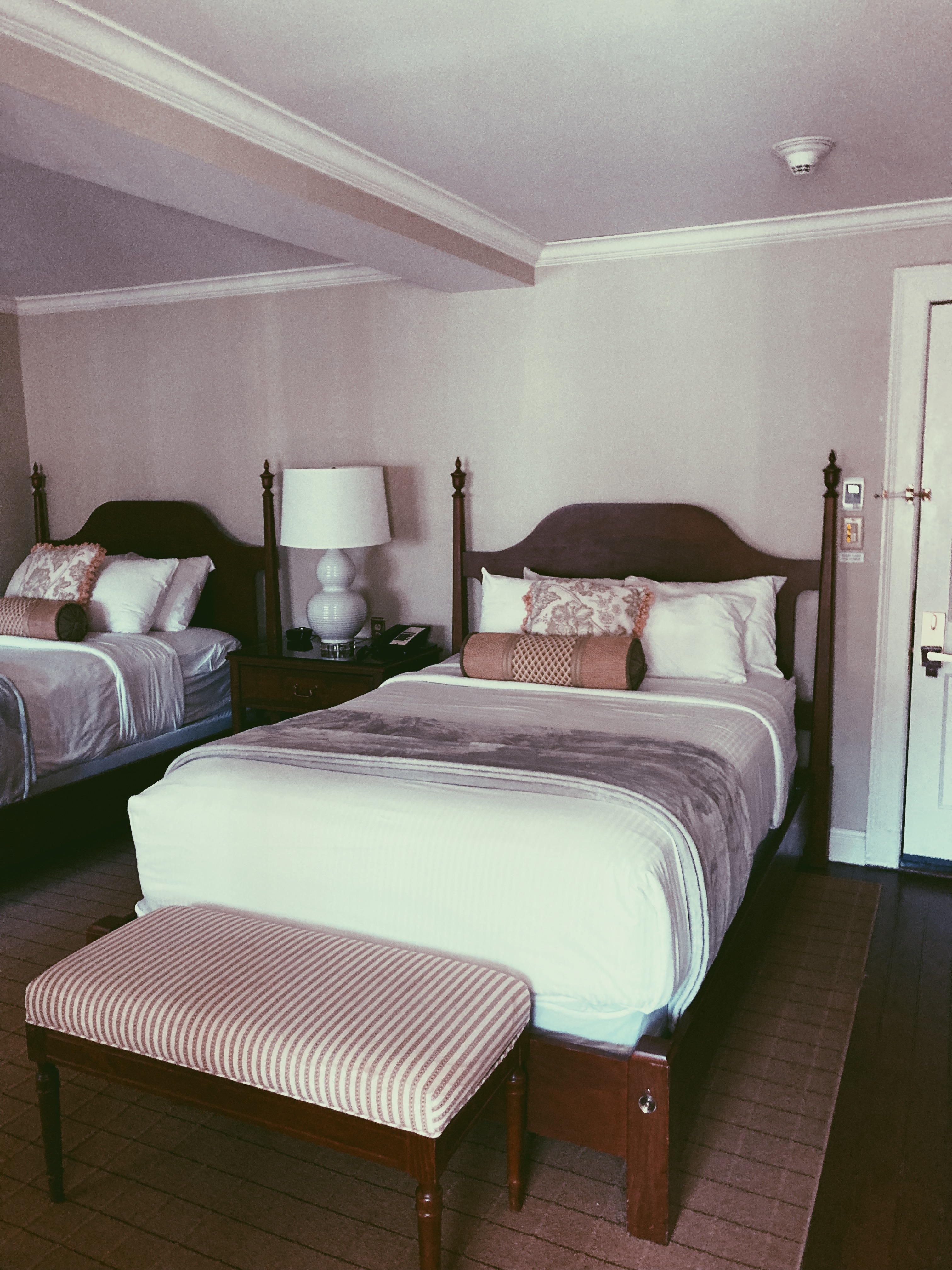
The Inn on Boltwood is a popular destination for many, including returning Five Colleges alumni, visiting parents, and travelers seeking a classic New England experience. It’s not hard to see why. The hotel boasts 49 uniquely decorated guest rooms, each one offering modern amenities like pillow-top mattresses, high thread count linens, complimentary WiFi, and flat-screen HD televisions. I was particularly impressed by how the Inn managed to blend modern comfort with historic charm.

Dining at the hotel’s full-service contemporary restaurant, 30Boltwood, was definitely a highlight of my stay. The menu featured farm-to-table cuisine and masterfully-crafted cocktails, and I was blown away by the innovative dishes and attention to detail that went into every aspect of the dining experience.

In addition to its many other offerings, the Inn on Boltwood is also a popular wedding venue. For generations, the hotel has set the standard for stylish and sophisticated New England weddings. The Inn offers diverse event spaces, customizable menus, and personalized service, making it the perfect place for any wedding-related event.

Throughout my stay, I appreciated the Inn’s commitment to environmental sustainability, as evidenced by its Silver LEED certification. From the comfortable rooms to the delicious dining options, everything was top-notch. Overall, my experience at the Inn on Boltwood was wonderful, and I would highly recommend it to anyone seeking a classic New England experience.

LSF Framework: The Power of Form: Understanding its Role in the LSF Framework

#LSFFramework #SensoryExperience #FormAndFunction #VisualCommunication #DesignThinking

The LSF (Light, Sound, Form) framework is a powerful tool used by designers, architects, and event planners to create immersive and memorable experiences for their audience. At its core, the framework posits that our experience of reality is determined by the interplay of different sensory inputs, with light being the most fundamental. Our eyes are complex organs designed to detect and process light, creating a visual image of our environment. Understanding the role of form in the LSF Framework is crucial to creating impactful experiences. Form refers to the shape, size, and composition of objects and how they work together to communicate ideas and concepts. Through the use of form, designers can create shapes, patterns, and structures that express the interplay between light and dark, birth and rebirth, and the fundamental asymmetry that governs the physical laws and structures of the universe.

In the context of the LSF Framework, form refers to the shape, size, and composition of objects, as well as how they interact with one another. By using different forms, designers can create a variety of shapes, patterns, and structures that can be used to convey different messages or emotions. The importance of form in the LSF Framework lies in its ability to communicate ideas and concepts to audiences in a visually compelling manner. One of the key aspects of form in the LSF Framework is its ability to create symmetry and balance. Symmetry refers to the balance of objects on either side of an axis or center point. This can be seen in architectural structures, such as buildings or bridges, where symmetry plays a crucial role in their aesthetic appeal. In the context of the LSF Framework, symmetry can be used to create a sense of order and balance in the environment. Another important aspect of form in the LSF Framework is its ability to create contrast. Contrast refers to the juxtaposition of different forms, colors, or textures. In the context of the LSF Framework, contrast can be used to create a sense of drama or tension in the environment. For example, contrasting dark and light colors can create a sense of depth or create a striking visual effect.

Form plays a crucial role in expressing this duality and interplay between light and dark. Through the use of form, designers can create shapes, patterns, and structures that communicate these ideas and concepts. For example, a designer might use the form of an apple in a logo or branding to express the duality of light and dark, birth and rebirth, and the fundamental asymmetry of the universe. Understanding the role of form in the LSF Framework requires an appreciation of the fundamental asymmetry that governs the physical realm. By using form to express this duality and interplay between light and dark, designers can create impactful and memorable experiences that resonate with audiences on a deep level. The symbolism of the apple provides a powerful metaphor for these concepts, and designers who understand the role of form in this context can use it to great effect in their work.

Form also plays a crucial role in creating a sense of movement or flow in the environment. By using forms that lead the eye in a particular direction or creating shapes that convey motion, designers can create a sense of dynamism in the environment. This can be seen in the design of spaces such as galleries, where the placement of objects can lead the viewer through the space in a particular way. The role of form in the LSF Framework cannot be overstated. It is a powerful tool that can be used to create visually compelling environments that communicate ideas and concepts to audiences in a memorable way. By using different forms, designers can create symmetry and balance, contrast, movement, and flow in the environment, all of which are key to creating impactful and immersive experiences. The LSF Framework, with its emphasis on light, sound, and form, provides designers with a powerful approach to creating environments that tap into the very essence of our perception of the world.

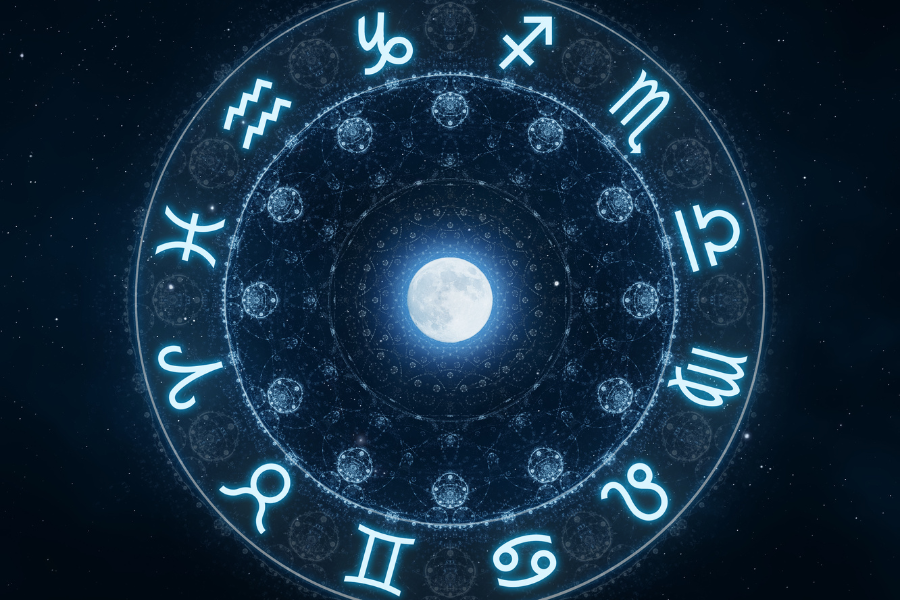
Horoscopes for April 2023

Horoscopes are a popular and ancient method of divination that uses astrology to predict and interpret a person’s future. Based on the positions of the planets and stars at the time of a person’s birth, horoscopes can offer insights into a person’s personality traits, strengths, and weaknesses. For those who believe in astrology, horoscopes can be a useful tool for gaining guidance and insight into their lives. In this article, we will provide general horoscopes for each zodiac sign for the month of April 2023.


The month of April may bring some challenges for Aquarius natives. You may feel a sense of restlessness or uncertainty about your future. It’s important to take time to reflect on your personal goals and prioritize self-care. Trust your instincts and stay true to your values. Towards the end of the month, you may find clarity and direction in your personal and professional life. Embrace any opportunities for personal growth and self-improvement.


The month of April will bring a focus on personal growth and self-improvement for Pisces natives. You may find yourself exploring new hobbies or interests that align with your values and beliefs. This is a great time to invest in yourself and prioritize self-care. Trust your instincts and allow yourself to be open to new experiences. Towards the end of the month, you may feel a sense of clarity and direction in your personal life. Use this energy to set new goals and pursue your passions.


The month of April will bring new opportunities for Aries natives. You may find yourself taking on new projects or responsibilities, which will keep you busy throughout the month. Trust your instincts and take calculated risks. Don’t be afraid to step outside of your comfort zone. Towards the end of the month, take some time for self-reflection and self-care.


The month of April may bring some challenges for Taurus natives. You may feel overwhelmed or stressed out due to work or personal matters. It’s important to take things one day at a time and prioritize self-care. Try to avoid making any major decisions until you feel more balanced and centered.


The month of April will bring a sense of excitement and new beginnings for Gemini natives. You may find yourself exploring new hobbies or interests, or meeting new people who inspire you. Embrace this energy and allow yourself to be open to new experiences. Your social life will be especially active this month.


The month of April will bring a focus on relationships for Cancer natives. You may find yourself reconnecting with old friends or strengthening existing relationships. It’s important to communicate openly and honestly with those around you. Towards the end of the month, you may feel a sense of clarity and direction in your personal life.


The month of April will bring a focus on career and professional development for Leo natives. You may receive recognition or opportunities for advancement in your current job or field. Trust your instincts and stay focused on your goals. It’s important to maintain a healthy work-life balance.


The month of April will bring a focus on personal growth and self-improvement for Virgo natives. You may find yourself exploring new interests or hobbies that align with your values and beliefs. Take time to reflect on your personal goals and prioritize self-care.


The month of April will bring a focus on relationships for Libra natives. You may find yourself exploring new romantic relationships or deepening existing partnerships. It’s important to communicate openly and honestly with those around you. Towards the end of the month, you may feel a sense of clarity and direction in your personal life.


The month of April will bring a focus on personal growth and self-improvement for Scorpio natives. You may find yourself exploring new interests or hobbies that align with your values and beliefs. Take time to reflect on your personal goals and prioritize self-care.


The month of April will bring a focus on career and professional development for Sagittarius natives. You may receive recognition or opportunities for advancement in your current job or field. Trust your instincts and stay focused on your goals. It’s important to maintain a healthy work-life balance.


The month of April will bring a sense of excitement and new beginnings for Capricorn natives. You may find yourself exploring new hobbies or interests, or meeting new people who inspire you. Embrace this energy and allow yourself to be open to new experiences. Your social life will be especially active this month.

Horoscopes offer an interesting and insightful way to gain guidance and understanding about the future. While these horoscopes are intended for entertainment purposes only, they may provide some useful insights and advice for those who believe in astrology. Whether you take them seriously or not, horoscopes can be a fun and interesting way to explore the mysteries of the universe and gain insights into your own life. Keep an open mind and embrace the opportunities for growth and self-improvement that come your way in the month of April 2023.

Blog: The Capricorn Deva

In Hindu mythology, the Devas are celestial beings who are associated with various aspects of the natural world and are often regarded as divine or semi-divine. In Vedic astrology, which is based on Hindu mythology, Capricorn is one of the twelve zodiac signs and is associated with the planet Saturn. Saturn is considered to be a powerful and sometimes malevolent planet in Vedic astrology, and is associated with discipline, hard work, and spiritual growth through struggle and adversity.

Therefore, it is possible that in some interpretations of Hindu mythology or Vedic astrology, Devas associated with discipline, hard work, or spiritual growth could be seen as having a connection to Capricorn or Saturn. However, this is not a widely recognized or established aspect of Hindu mythology or astrology. If we were to imagine the Devas being associated with Capricorn, we might associate them with qualities such as discipline, perseverance, and hard work, which are traditionally associated with this zodiac sign.

The Devas from Capricorn might be depicted as beings who are focused on spiritual growth and development through the challenges and difficulties of life. They may be seen as patient and determined, willing to endure hardships and obstacles in order to achieve their goals. In astrology, Capricorn is also associated with ambition, leadership, and practicality. Therefore, the Devas from Capricorn may be seen as having a strong sense of purpose and direction, as well as the ability to organize and lead others towards their goals.

Imagine a Deva who is known for their discipline and determination, and who is associated with the constellation of Capricorn. This Deva might be depicted as a wise and patient guide, who helps individuals navigate the challenges of life in order to achieve spiritual growth and development. Perhaps this Deva is known for their ability to endure difficult situations, and for their unwavering commitment to their goals. They might be seen as a role model for those who are struggling with obstacles and setbacks, and who are in need of guidance and support.

In addition, this Deva might be seen as a leader, who is able to inspire others to follow their example and work towards their own goals. They may be respected and revered for their practical wisdom, their ability to organize and plan, and their tireless work ethic. This example gives a sense of what Devas associated with Capricorn might be like, and how they could be seen as powerful spiritual guides and mentors, who help individuals overcome obstacles and achieve their goals through discipline, perseverance, and hard work.

In Hindu mythology, Devas are often seen as powerful celestial beings who are revered and worshipped for their divine qualities and abilities. However, if we imagine Devas associated with Capricorn being depicted in society, they may be seen as role models or examples to follow, particularly in the areas of discipline, perseverance, and hard work. In society, these Devas may be viewed as individuals who have achieved success through their own hard work and dedication, and who have overcome challenges and obstacles in order to reach their goals. They may be respected and admired for their ability to stay focused and committed, and for their practical wisdom and leadership qualities.

In addition, these Devas may be seen as spiritual guides or mentors, who offer guidance and support to individuals who are struggling with their own challenges and obstacles. They may be viewed as sources of inspiration and motivation, encouraging others to work hard and persevere in order to achieve their own goals and aspirations. Devas associated with Capricorn may be seen as powerful symbols of discipline, perseverance, and hard work, and may be looked up to as role models in society. They may be viewed as sources of inspiration and guidance, particularly in the areas of spiritual growth and personal development.

In Hindu mythology, the constellations are often seen as sacred and divine, and are believed to have been created by the Devas themselves. The constellations are seen as heavenly abodes or realms where the Devas reside and carry out their cosmic duties. Each constellation is associated with a different Deva or group of Devas, and is believed to have a specific influence on human destiny and fate. For example, the constellation of Aries is associated with the Deva Brahma, who is seen as the creator of the universe, while the constellation of Scorpio is associated with the Deva Shiva, who is seen as the destroyer of evil and negative energies.

In Hindu mythology, the constellations are also used to determine auspicious times for important events such as weddings, religious ceremonies, and business ventures. This is because the positions of the stars and planets at the time of an event are believed to have a significant impact on its outcome. The constellations are seen as important symbols of the divine in Hindu mythology, and are believed to have a powerful influence on human destiny and the course of events in the universe.

April P.I.M Combo: Revitalizing Rhythm

The April P.IM combo, “Revitalizing Rhythm,” is a powerful combination of therapeutic modalities designed to help individuals tap into their natural rhythm and energy. This combination incorporates the healing power of sound therapy, along with the energizing effects of breathwork and movement. By using these modalities together, individuals can revitalize their mind, body, and spirit and experience a renewed sense of energy and vitality.

Frequency: 639 Hz (also known as the “Relationship Frequency”)
Therapeutic Lightwave: Blue Light Therapy
Form Therapy: Tai Chi

The 639 Hz frequency is believed to promote harmony and communication in relationships, making it an excellent choice for the springtime when people are looking to connect and build new connections.

Blue light therapy has been shown to have a calming effect on the mind and body, reducing stress and anxiety. This makes it a great complement to the relationship-focused frequency.

Tai Chi is a form of form therapy that focuses on slow, gentle movements and deep breathing. It has been shown to improve balance, flexibility, and overall well-being, making it a perfect choice for those looking to improve their relationships and connect with others.

This combination of the Relationship Frequency, blue light therapy, and Tai Chi can help individuals cultivate a sense of inner harmony and balance, improving their ability to connect and communicate with others.

“Revitalizing Rhythm” is a potent combination of therapeutic modalities that can help individuals connect with their inner rhythm and energy. Whether you are feeling sluggish and in need of a pick-me-up or simply looking to enhance your overall sense of well-being, this combination can provide a powerful and transformative experience. So why not give it a try and see how it can help you revitalize your life?

P.I.M: Your Inner Glow-Up

In today’s world, stress and anxiety can often leave us feeling disconnected from ourselves and others. Fortunately, there are holistic therapies available that can help us find balance and harmony. The combination of green light therapy, the Love Frequency, and yoga is a powerful example of such therapies. Green light therapy has been found to have a calming effect on the body and mind, while the Love Frequency resonates with the heart chakra and promotes feelings of love and compassion. Yoga, on the other hand, is a form of form therapy that can help release tension and improve overall well-being. Together, these modalities can create a transformative experience that promotes a deep sense of emotional balance and harmony.

Solfeggio Frequency: 528 Hz (also known as the “Love Frequency”)

Therapeutic Lightwave: Green Light Therapy

Form Therapy: Yoga

The number of sessions and the frequency of sessions for this combination of modalities can vary depending on the individual’s needs and preferences. However, as a general guideline, it is recommended to have at least 5-10 sessions over a period of 2-3 months for optimal results.

For example, an individual may choose to have one session per week for 10 weeks or two sessions per week for five weeks. It is important to note that the effects of these modalities may be cumulative, so consistent and regular sessions may yield greater benefits.

Ultimately, the number and frequency of sessions should be discussed with a PIM practitioner who can tailor the treatment plan to the individual’s specific needs and goals.

Solfeggio Frequency 528 Hz, Green Light Therapy, and Yoga are all holistic modalities that can help to treat a range of physical and emotional conditions.

528 Hz is believed to promote healing, inner peace, and a deep sense of love and interconnectedness. It is often used in sound therapy to help with stress reduction, anxiety, depression, and emotional blockages.

Green Light Therapy, on the other hand, has been shown to have a calming effect on the body and mind, making it an effective treatment for conditions such as insomnia, chronic pain, and anxiety. It can also be used to reduce the appearance of skin conditions such as acne, rosacea, and hyperpigmentation.

Yoga, as a form of form therapy, has been shown to have a range of physical and emotional benefits. It can help to reduce stress, increase flexibility, improve balance, and boost overall well-being. Yoga has also been shown to be an effective treatment for conditions such as chronic pain, anxiety, depression, and insomnia.

Green light therapy is known to have a calming and balancing effect on the body and mind, making it an ideal therapy to use in conjunction with the 528 Hz Love Frequency. This frequency is said to resonate with the heart chakra and promote feelings of love, compassion, and interconnectedness. When used together, green light therapy and 528 Hz can help to create a deep sense of emotional balance and harmony.

Yoga, a form of form therapy, is an excellent complement to both green light therapy and the Love Frequency. Practicing yoga can help to release physical tension, increase flexibility, and improve overall well-being. When combined with the calming effects of green light therapy and the heart-opening properties of 528 Hz, yoga can help to create a deeply restorative and transformative experience. Participants in a PIM immersive experience centered around this combination may experience a profound sense of connection to themselves and others, as well as a deep sense of inner peace and harmony.

The combination of green light therapy, the Love Frequency, and yoga is a powerful and holistic approach to wellness. By incorporating these modalities into a PIM immersive experience, participants may experience a profound sense of connection to themselves and others, as well as a deep sense of inner peace and harmony. These therapies remind us of the importance of finding balance and harmony in our lives and offer us a path to achieving this. With the help of therapies like green light therapy, the Love Frequency, and yoga, we can move towards a more fulfilling and harmonious way of living.
A P.I.M Immersive Experience

A PIM immersive experience using the LSF framework will provide patients with a unique opportunity to engage in a holistic approach to wellness. Patients will have the opportunity to participate in light therapy sessions, where they will be exposed to therapeutic light that has been shown to improve mood, reduce stress and anxiety, and promote healthy sleep patterns. During sound therapy sessions, patients will experience healing vibrations that are known to promote relaxation, reduce pain, and boost the immune system. These sessions may include the use of singing bowls, tuning forks, and other sound healing instruments.

Form therapy sessions will focus on the movements and postures of the body to release tension, improve flexibility, and enhance overall well-being. Patients may participate in gentle yoga, meditation, or other movement-based practices that are designed to support their physical and emotional health. Throughout the experience, patients will be guided by trained staff who are dedicated to creating a safe and nurturing environment for healing.

Overall, patients can expect to feel a deep sense of relaxation and renewal after participating in a PIM immersive experience. They may experience a greater sense of well-being, increased energy and vitality, and a deeper connection to their mind, body, and spirit. Through the integration of light, sound, and form therapies, patients will have the opportunity to experience a comprehensive approach to wellness that is both holistic and effective.

Form Therapy: Aligning Mind and Body

The Form therapy component of the LSF (Light, Sound, Form) framework focuses on the physical body and its alignment with the mind and spirit. The Form therapy component acknowledges that the body has an innate intelligence and that physical symptoms and discomfort can often be manifestations of deeper emotional or spiritual issues.

At Prism Integrative Medicine, we use a variety of techniques and modalities to help our clients address physical imbalances and discomfort, including postural assessment, corrective exercise, and movement therapy. Our approach is grounded in the belief that the body and mind are interconnected and that true healing can only occur when both are addressed.

During a Form Therapy session, clients may undergo a postural assessment to identify any areas of imbalance or tension in the body. Corrective exercise and movement therapy techniques may then be used to address these imbalances and promote alignment and balance in the body.

Our Form Therapy sessions are tailored to each client’s individual needs and health concerns. We work with clients to create a personalized plan that addresses their specific goals and concerns, and we provide ongoing support and guidance to help them achieve optimal health and wellness.

At Prism Integrative Medicine, we believe in a holistic approach to healing that addresses the whole person – mind, body, and spirit. Our Form Therapy sessions are just one of the many ways we help our clients achieve optimal health and wellness. If you’re interested in experiencing the benefits of Form Therapy, contact us today to schedule a consultation.

Here are a few examples of movement/form therapy:

  1. Yoga: Yoga is a form of movement therapy that combines physical postures, breath control, and meditation. It is often used to improve flexibility, strength, balance, and overall physical health. Yoga can also be used to reduce stress and anxiety and promote relaxation.
  2. Dance therapy: Dance therapy is a form of movement therapy that uses dance and movement to promote emotional, cognitive, and physical well-being. It can be used to improve mood, reduce anxiety, and promote self-expression and creativity.
  3. Tai Chi: Tai Chi is a form of movement therapy that originated in China. It involves slow, gentle movements that promote relaxation and balance. Tai Chi has been shown to improve physical function, reduce stress, and improve overall quality of life.
  4. Pilates: Pilates is a form of movement therapy that focuses on strengthening the core muscles and improving flexibility and balance. It can be used to improve posture, reduce back pain, and improve overall physical function.
  5. Feldenkrais Method: The Feldenkrais Method is a form of movement therapy that focuses on improving movement patterns and body awareness. It involves slow, gentle movements that can help to improve posture, reduce pain, and improve overall physical function.

It’s important to note that movement/form therapy should always be administered by a qualified healthcare professional and used in conjunction with other treatments as needed. If you’re interested in exploring movement/form therapy as a treatment option, speak with your healthcare provider to determine if it’s right for you.

Sound Therapy: The Healing Power of Vibrations

Sound therapy, also known as sound healing, is a healing modality that uses vibrations and frequencies to promote physical and emotional healing. The practice dates back thousands of years, where it was used by healers to balance the body’s energy centers and promote health and wellness.

At Prism Integrative Medicine, we use sound therapy to help our clients access their body’s natural healing abilities. Each sound and vibration has a unique frequency that affects the body and mind in different ways. For example, the sound of a singing bowl is known for its ability to promote deep relaxation and reduce stress. The sound of a gong is known for its ability to promote mental clarity and focus.

Our sound therapy sessions are tailored to each client’s individual needs and health concerns. During a sound therapy session, clients may be exposed to a variety of sounds and vibrations, such as singing bowls, gongs, tuning forks, and other instruments. The therapy can be delivered while sitting or lying down, and clients may choose to use headphones to enhance the experience.

In addition to its healing properties, sound therapy is also a non-invasive and safe healing modality that has few side effects. It is often used in conjunction with other healing modalities, such as acupuncture, massage therapy, and yoga, to promote optimal health and wellness.

At Prism Integrative Medicine, we believe in a holistic approach to healing that addresses the whole person – mind, body, and spirit. Our sound therapy sessions are just one of the many ways we help our clients achieve optimal health and wellness. If you’re interested in experiencing the healing power of sound therapy, contact us today to schedule a consultation.

Here are a few examples of sound therapy:

  1. Meditation and Relaxation: Sound therapy can be used to induce relaxation and promote meditation. This can be achieved through the use of singing bowls, gongs, chimes, and other musical instruments that produce calming, soothing sounds.
  2. Stress and Anxiety: Sound therapy can also be used to reduce stress and anxiety. Certain frequencies of sound have been shown to stimulate the parasympathetic nervous system, which helps to promote relaxation and reduce feelings of tension and anxiety.
  3. Pain management: Sound therapy can also be used to alleviate pain. This is achieved through the use of low-frequency sound waves, which have been shown to stimulate the release of endorphins and other natural painkillers in the body.
  4. Sleep Disorders: Sound therapy can also be used to improve sleep quality. This is achieved through the use of binaural beats, which are a type of sound that can help to induce a state of deep relaxation and promote restful sleep.
  5. Cognitive function: Sound therapy can also be used to improve cognitive function. Certain frequencies of sound have been shown to stimulate the brain and improve memory, concentration, and overall cognitive performance.

It’s important to note that sound therapy should always be administered by a qualified healthcare professional and used in conjunction with other treatments as needed. If you’re interested in exploring sound therapy as a treatment option, speak with your healthcare provider to determine if it’s right for you.

Light Therapy: The Healing Power of Color

Light therapy, also known as chromotherapy, is a healing modality that uses different colors of light to promote physical and emotional healing. The practice dates back to ancient times, where it was used by healers to balance the body’s energy centers and promote health and wellness.

At Prism Integrative Medicine, we use light therapy to help our clients access their body’s natural healing abilities. Each color of light has a unique frequency and vibration that affects the body and mind in different ways. For example, red light is known for its energizing properties and is often used to promote circulation and stimulate the immune system. Blue light is known for its calming properties and is often used to promote relaxation and reduce stress.

Our light therapy sessions are tailored to each client’s individual needs and health concerns. During a light therapy session, clients are exposed to specific colors of light that are chosen based on their individual needs. The light is delivered through specialized lamps, panels, or other devices, and clients can choose to receive the therapy while sitting or lying down.

In addition to its healing properties, light therapy is also a non-invasive and safe healing modality that has few side effects. It is often used in conjunction with other healing modalities, such as acupuncture, massage therapy, and yoga, to promote optimal health and wellness.

At Prism Integrative Medicine, we believe in a holistic approach to healing that addresses the whole person – mind, body, and spirit. Our light therapy sessions are just one of the many ways we help our clients achieve optimal health and wellness. If you’re interested in experiencing the healing power of light therapy, contact us today to schedule a consultation.

Here are a few examples of light therapy:

  1. Seasonal Affective Disorder (SAD) treatment: Light therapy is commonly used to treat SAD, a type of depression that occurs during the winter months when there is less natural sunlight. During light therapy sessions, patients sit in front of a light box that emits bright light similar to natural sunlight. This can help regulate the body’s circadian rhythm and improve mood.
  2. Skin conditions: Light therapy can also be used to treat certain skin conditions, such as psoriasis and eczema. During these treatments, a patient’s skin is exposed to UV light, which can slow down the growth of skin cells and reduce inflammation.
  3. Sleep disorders: Light therapy can be used to regulate the sleep-wake cycle and improve sleep quality. This is particularly useful for individuals who work night shifts or have irregular sleep schedules. By exposing the body to bright light during specific times of day, the body’s circadian rhythm can be reset to a more regular schedule.
  4. Pain management: Light therapy has also been shown to be effective in managing pain caused by conditions such as arthritis, fibromyalgia, and back pain. Red and infrared light can penetrate deep into the tissue, stimulating the body’s natural healing processes and reducing inflammation and pain.
  5. Mood regulation: Light therapy has been shown to improve mood and alleviate symptoms of depression and anxiety. This may be due to the fact that light therapy can regulate the body’s production of serotonin and other mood-regulating hormones.

It’s important to note that light therapy should always be administered by a qualified healthcare professional and used in conjunction with other treatments as needed. If you’re interested in exploring light therapy as a treatment option, speak with your healthcare provider to determine if it’s right for you.