All posts by Kristi
Meditations: Harmony of the Universal Order: A Meditation on Flow

Meditations: The River of Uncertainty
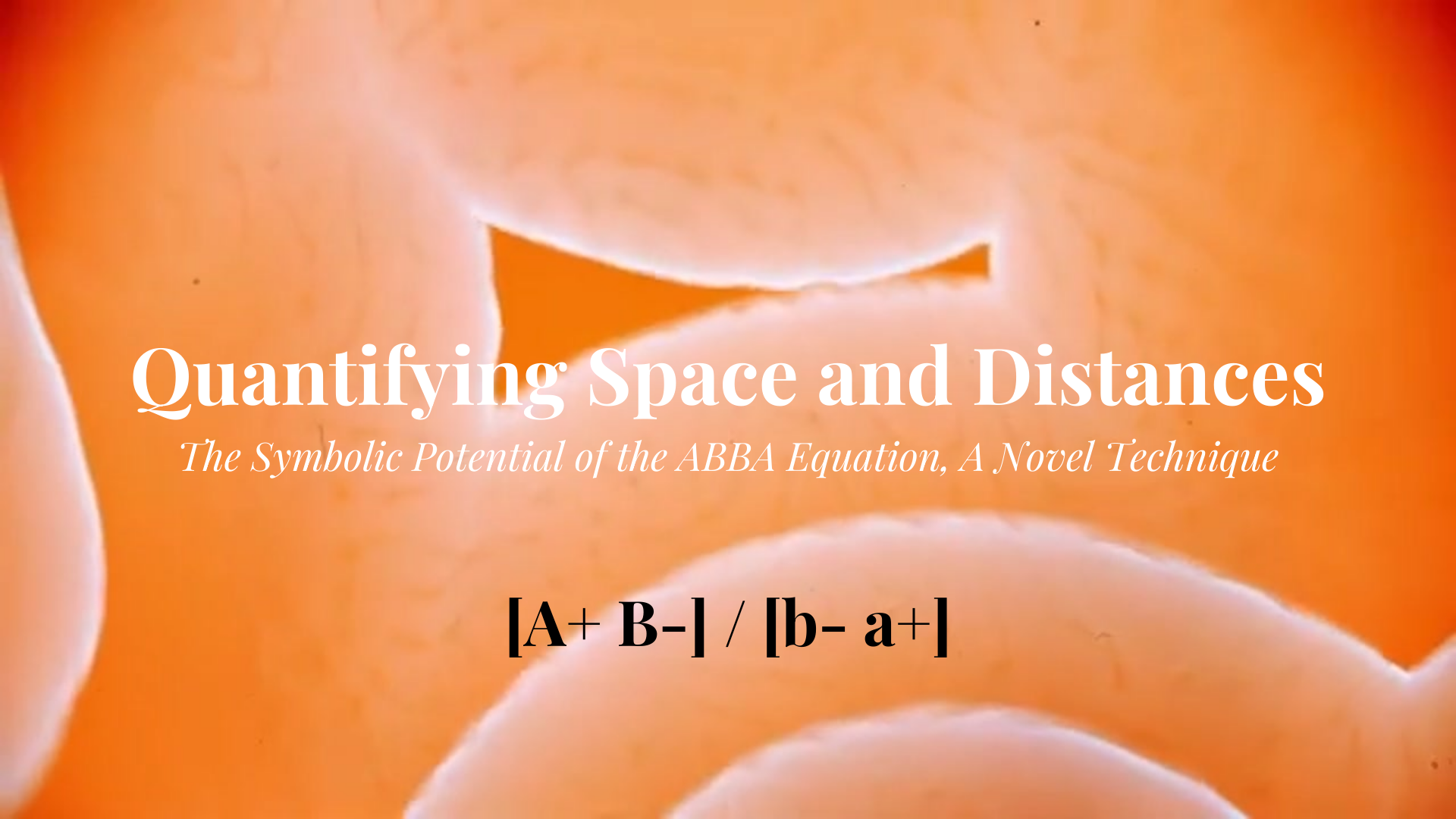
Quantifying Space and Distance: The Symbolic Potential of the ABBA Equation, A Novel Technique

Why the Cure for Cancer Won’t be a “Medicine”
Cancer has long been one of the most formidable adversaries in the world of medicine, affecting millions of lives worldwide. While substantial progress has been made in understanding the molecular basis of cancer, its treatment remains a complex and challenging endeavor. However, there is growing optimism within the scientific community that DNA-based approaches, coupled with revolutionary technologies like CRISPR, may hold the key to effective cancer cures. In this perspective the ultimate cure for cancer will not be viewed as a medicine but a technological advancement and will alter patients’ DNA to prevent passing it down to their future children.
Understanding the DNA-Based Approach
Traditionally, cancer treatment has primarily focused on attacking tumors with surgery, radiation, and chemotherapy. These methods are often effective but can have severe side effects and limited success, especially for aggressive and late-stage cancers. A DNA-based approach seeks to address the root causes of cancer by targeting the genetic mutations and abnormalities within a patient’s DNA that drive cancer development.
Key Advantages of DNA-Based Cancer Cures:
- Personalized Medicine: Every cancer is unique, and a DNA-based approach allows for the development of personalized treatments tailored to an individual’s genetic makeup. This approach can enhance treatment effectiveness while minimizing side effects.
- Precision Targeting: By identifying and targeting specific genetic mutations responsible for cancer, DNA-based therapies aim to selectively destroy cancer cells, leaving healthy cells unharmed.
- Prevention of Recurrence: Treating the genetic roots of cancer can reduce the likelihood of recurrence, making it a more durable and potentially curative solution.
CRISPR Technology: A Game-Changer
CRISPR-Cas9, often referred to as a “genetic scissor,” is a revolutionary gene-editing tool that has transformed the field of genetic research and holds immense promise for cancer treatment. Here’s how CRISPR can contribute to DNA-based cancer cures:
- Targeted Gene Editing: CRISPR technology can precisely edit the DNA of cancer cells, correcting genetic mutations or deactivating cancer-promoting genes, effectively stopping their growth.
- Immune System Enhancement: CRISPR can modify immune cells to be more efficient at recognizing and destroying cancer cells. This approach, known as CAR-T therapy, has shown remarkable success in certain blood cancers.
- Diagnostic and Early Detection: CRISPR can be used to develop highly sensitive and specific diagnostic tests for early cancer detection, allowing for timely intervention and improved survival rates.
Challenges and Ethical Considerations
While the potential of DNA-based cancer cures and CRISPR technology is exciting, there are significant challenges and ethical concerns to address:
- Off-Target Effects: CRISPR may unintentionally edit genes other than the ones intended, potentially causing harm.
- Ethical Dilemmas: The power to modify the human genome raises ethical questions about the use of gene-editing in embryos and the potential for designer babies.
- Cost and Accessibility: Cutting-edge therapies can be expensive and may not be accessible to all patients, creating disparities in cancer treatment.
The future of cancer treatment is rapidly evolving, with DNA-based approaches and CRISPR technology at the forefront of innovation. These cutting-edge technologies have the potential to revolutionize the way we treat cancer, offering more precise, personalized, and effective solutions. However, it’s crucial to approach this promising frontier with care, addressing ethical concerns, ensuring accessibility, and continuing research to maximize the benefits while minimizing risks. With ongoing advancements and research, the dream of a world with effective DNA-based cancer cures may soon become a reality, offering hope to millions of people battling this relentless disease.
Harmony in Chaos: Unraveling the Mysteries of the Belousov-Zhabotinsky Reaction and Cellular Automata
Introduction
The universe is a vast and complex tapestry, woven with threads of science, mathematics, and metaphysical musings. In this exploration, we embark on a journey that transcends the boundaries of traditional disciplines. Our voyage delves into the intriguing world of the Belousov-Zhabotinsky (BZ) reaction, the ABBA equation, and the remarkable realm of cellular automata. Together, these concepts offer a unique lens through which we can better understand the intricacies of nonlinear chemical oscillators, complex systems, and the profound questions that have captivated human thought for centuries.
The Belousov-Zhabotinsky Reaction: Chaos in a Petri Dish
Our journey begins with the Belousov-Zhabotinsky (BZ) reaction, a mesmerizing example of a nonlinear chemical oscillator. This reaction, far from equilibrium, exhibits chaotic evolution, akin to the dance of swirling galaxies in the cosmos. In the confines of a petri dish, a bromine and acid-based concoction come to life, revealing chaotic patterns, color fluctuations, and the heartbeat of a chemical system. The BZ reaction serves as an entrancing canvas upon which we can explore the complex dynamics of far-from-equilibrium systems.
The BZ Reaction as a Chemical Oscillatory System
The BZ reaction is more than just a chemical curiosity. It is a vivid representation of a chemical oscillatory system, where the world of chemistry collides with mathematics and metaphysical philosophy. Its color fluctuations become a canvas for exploring the universe as a matrix, a concept that suggests that subjective experience and objective manifestation are in a perpetual state of oscillation. The expanding spirals in the BZ reaction hint at the fundamental connections between mathematics, physics, and the fabric of reality.
Mathematical Representation: [A+ B-] / [b- a+]
The ABBA equation steps onto the stage as a mathematical representation of the BZ reaction, revealing its oscillatory nature. What makes this equation particularly fascinating is its alignment with the principles of cellular automata, a mathematical framework used to simulate complex systems. The grid structure, cell states, neighborhood interactions, update rules, and time steps inherent in cellular automata mirror the elements of the ABBA equation. This connection between chemistry and mathematical modeling invites us to reframe our understanding of complex systems.
The Universe as a Matrix: Metaphysical Musings
The journey takes an unexpected turn as we delve into the metaphysical implications of the ABBA equation’s connection to the universe as a matrix. This concept is not new; it has been discussed in the context of light and spirals. The BZ reaction, with its expanding spirals, becomes a visual representation of this metaphysical idea, offering a unique perspective on the intertwined nature of mathematics, physics, and the questions that have captivated human thought for centuries.
Significance of the Numerical Proof
The numerical proof that emerges from our exploration highlights the deep relationship between mathematics and physics. This relationship enhances our understanding of the complex interplay between the two realms and provides a tantalizing glimpse into the nature of reality itself. The BZ reaction and the ABBA equation become gateways into a world where science, mathematics, and metaphysical philosophy intersect.
BZ Reaction and the LSF Framework: Expanding Spirals as Expressions of Light
Our journey leads us to the BZ reaction’s production of expanding spirals, seen through the lens of the LSF framework. These spirals are more than just chemical patterns; they become expressions of light, bridging the gap between the visual and the mathematical. The BZ reaction, within the framework of the mathematical concept of PI, helps us understand the linear and nonlinear characteristics of subjective experience and objective manifestation.
Oscillation Between Subjective Experience and Objective Manifestation
A fascinating perspective emerges as we contemplate the idea that the physical world oscillates between subjective experience and objective manifestation. The BZ reaction becomes a tangible visual representation of this concept, where chemical oscillations mirror the dance of reality itself. This perspective invites us to explore the boundaries between the physical and the metaphysical.
BZ Reaction as an Example of Non-Equilibrium Thermodynamics
Our journey concludes with a reflection on the BZ reaction as an exemplar of non-equilibrium thermodynamics. The expanding spirals within the LSF framework are seen as expressions of light, illuminating the path to understanding the broader dynamics of complex systems. The BZ reaction becomes a bridge that connects chemistry with the realms of mathematics, physics, and metaphysical philosophy.
Conclusion: The Universal Tapestry
Our voyage through the Belousov-Zhabotinsky reaction, the ABBA equation, and cellular automata invites us to transcend disciplinary boundaries and connect the dots between diverse fields of inquiry. The intricate interplay between science, mathematics, and metaphysical philosophy becomes a rich tapestry of ideas that offer new perspectives on the fundamental nature of reality. This journey reminds us that the search for knowledge knows no bounds and that the mysteries of the universe continue to beckon us to explore further.

Paper: The Universal Tapestry: Cellular Automata, ABBA Equation, and the Nature of Reality
#BZReaction, #CellularAutomata, #ComplexSystems, #NonlinearOscillators, #MathematicsInChemistry Abstract This paper embarks on an interdisciplinary journe

Greenlandic (Vinlandic) Textiles

Unraveling the Mystery: Are UFO Lights Biblically Accurate Angels?

The phenomenon of unidentified flying objects (UFOs) has long captivated the human imagination, fueling debates, conspiracy theories, and countless investigations. While scientists and skeptics tend to search for natural explanations, some people have suggested a more otherworldly connection. In this blog post, we explore the intriguing and controversial idea that UFO lights could be the biblically accurate angels as described in the Bible.
The Biblical Angels
Angels play a significant role in the teachings of various religions, but in this post, we’ll focus on the biblical angels as described in the Christian tradition. In the Bible, angels are often depicted as heavenly messengers or divine beings who serve as intermediaries between God and humanity. These beings are described with dazzling radiance and light.
UFO Lights: Eerie Resemblance to Angelic Light
The connection between UFO lights and biblical angels arises from the perceived similarities in their descriptions.
Consider the following points:
Glowing and Radiant: In the Bible, angels are often described as radiant beings, clothed in light. UFO sightings, particularly those involving unusual lights, often involve objects emitting bright, radiant glows. Witnesses commonly report seeing orbs of light or otherworldly beams shining from these objects.
Hovering and Descending: In many biblical accounts, angels are described as hovering above the earth or descending from the heavens. Some UFO sightings involve objects that seem to hover or descend slowly from the sky, much like the biblical angels.
Unearthly Speed and Maneuverability: Certain UFO sightings describe objects moving at speeds and making maneuvers that defy the laws of physics as we understand them. These extraordinary abilities are reminiscent of the miraculous actions attributed to angels in religious texts.
Non-human Features: Some witnesses of UFO encounters have reported seeing beings associated with these lights, and their descriptions occasionally echo traditional depictions of angels, with features such as luminous wings and ethereal, otherworldly appearances.
Possible Explanations
Before jumping to conclusions, it’s essential to consider alternative explanations for UFO sightings:
Natural Phenomena: UFO lights can often be attributed to natural phenomena such as weather balloons, meteors, atmospheric anomalies, or celestial bodies like stars and planets.
Man-made Technology: Many UFO sightings are linked to advanced military aircraft, drones, or experimental technology that the public may not be aware of.
Psychological Factors: Witness testimonies are sometimes influenced by psychological and perceptual biases, leading to misinterpretations of ordinary events.
Theological Perspectives
From a theological standpoint, the idea of UFO lights being biblically accurate angels is highly controversial. Traditional religious interpretations maintain that angels are divine beings created by God to serve specific roles, and they do not possess physical spacecraft or technology. However, some individuals within the UFO community have sought to reconcile these ideas by suggesting that angels could manifest using advanced technology beyond human comprehension.
Conclusion
The question of whether UFO lights are biblically accurate angels remains a fascinating but highly speculative topic. While there are perceived parallels between the two, definitive evidence remains elusive. It’s important to approach such claims with skepticism and open-minded inquiry, considering natural and scientific explanations before attributing supernatural or divine origins to unidentified flying objects. The convergence of science, religion, and the unknown will continue to spark curiosity and debate for years to come.

Exploring the Marvels of Cellular Automata: From Simplicity to Universal Order
In the vast landscape of mathematical and computational models, there exists a gem known as cellular automata. Born out of curiosity and driven by a desire to understand the world’s complexities, cellular automata have become a powerful tool for exploring the mysteries of universal order. In this blog post, we will embark on a journey through the mesmerizing world of cellular automata, from their humble beginnings to their significance in diverse scientific domains.
The Birth of Cellular Automata: A Glimpse into the Past
The story begins in the mid-20th century when brilliant minds like John von Neumann and Stanislaw Ulam embarked on the quest to create abstract computational models. This was the birth of cellular automata, which would go on to captivate the imaginations of scientists, mathematicians, and computer scientists around the world.
Unraveling the Basics: How Cellular Automata Work
At their core, cellular automata are simple, abstract systems comprising a grid of cells, each of which can exist in a finite number of states. These cells evolve over discrete time steps, following a set of predefined rules, often based on the states of neighboring cells. The magic lies in the rules, as even with a few simple conditions, cellular automata can generate breathtakingly complex patterns and behaviors.
Universal Computation: The Surprising Power of Cellular Automata
One of the most astonishing discoveries in the realm of cellular automata is the concept of universality. Wolfram’s Rule 110, a seemingly basic set of rules, turned out to be Turing complete, meaning it can simulate any algorithm that can be expressed in a general-purpose computer program. This finding challenges traditional notions of computation, highlighting the potential for complexity in seemingly simple systems.
Emergent Behavior: The Beauty of Complexity
Cellular automata have a knack for generating complex and emergent behavior from simple initial conditions and rules. For instance, Conway’s Game of Life, one of the most famous cellular automata, demonstrates how a few rules can give rise to gliders, oscillators, and other self-organizing structures. These emergent patterns serve as analogies for self-organization and evolution in the natural world.
From Theory to Practice: Real-World Applications
The reach of cellular automata extends far beyond theoretical realms. They have found applications in various scientific fields, from physics and biology to computer science. Researchers use cellular automata to simulate and model natural phenomena, from the spread of diseases to the behavior of particles in physical systems. In practical terms, cellular automata are employed in image processing, artificial intelligence, and even in ethical decision-making systems.
Fractals, Chaos, and the Cosmos: Cosmic Significance
Perhaps one of the most mind-boggling connections is cellular automata’s role in generating fractals and deterministic chaos. Fractal patterns, which are self-similar across multiple scales, emerge from the simple rules of cellular automata, challenging our understanding of order and complexity. Additionally, cellular automata have been used to simulate cosmic phenomena, raising questions about the potential fundamental role of cellular automata-like processes in the structure and evolution of the universe.
The Quest Continues: Challenges, Open Questions, and the Future
As with any field, cellular automata research presents its own set of challenges. Computational intensity, the choice of rules, and the quest to understand the limits of what cellular automata can compute are ongoing challenges. There are open questions about the nature of determinism, chaos, and the potential for discovering new universal automata with distinct properties. The future of cellular automata research promises innovations in computational methods, interdisciplinary collaboration, and the development of novel rules.
Conclusion: A Glimpse into Universal Order
In conclusion, cellular automata offer us a remarkable journey from simplicity to universal order. Their significance in understanding complex systems, their practical applications, and their potential to unlock the mysteries of the cosmos make them a fascinating subject of exploration. As we delve deeper into the world of cellular automata, we continue to uncover the threads that connect the abstract to the practical and the simple to the complex. Cellular automata invite us to contemplate the boundless possibilities of the universe, reminding us that order and complexity can emerge from the simplest of rules.
Read the paper below:

Paper: Fractals, Chaos, and Universal Order: The Connection Between Cellular Automata and Complex Systems
#CellularAutomata #EmergentPatterns #ComplexSystems #UniversalOrder #ComputationalUniversality Abstract Cellular automata, a class of discrete, abstract c

Celebrating a love-affair with autumn with the “Fig-ure of Love Elixir”
Nestled in a cozy cabin deep within the enchanting woods in West Dover, VT, a wedding anniversary weekend was destined to be a celebration of love and togetherness. As we embarked on this special time together with friends and family, I knew I wanted to infuse the weekend with a homage to the couple’s wedding, and what better way to do so than with a bespoke cocktail experience? Allow me to introduce you to the “Fig-ure of Love Elixir,” a drink that encapsulates the essence of love and the beauty of this cherished season.
Why I Chose the “Fig-ure of Love Elixir”
- A Toast to Love: What better way to celebrate the love that has grown and deepened with each passing year than with a cocktail that bears its name? The “Fig-ure of Love Elixir” was our way of raising a glass to the beautiful journey we’ve shared.
- Autumn’s Embrace: As the trees outside donned their vibrant fall attire, we felt a kinship with the changing season. The cocktail’s rich, sweet figs and earthy sage simple syrup mirrored the balance we’d found in each other.
- Signature Romance: With its delicate orange hue and captivating flavors, the “Fig-ure of Love Elixir” became the symbol of this weekend escape.
The cabin’s rustic charm provided the perfect backdrop for crafting this romantic elixir. We gathered around the wooden table, the soft crackling of the fireplace serenading us as we prepared to create a cocktail that would embody our love.
Ingredients and Preparation
- Fig Splendor: Black Mission figs, with their honey-like sweetness, was my first choice. After several grocery store stops along the way to track them down they were spotted at a local grocery store.
- Orange Rum: Orange rum, with its mellow profile, was the ideal canvas for showcasing the fig’s essence. Its aroma hinted at the adventure that lay ahead.
- Sage Simple Syrup: Crafting this special syrup was an intimate experience and took a month’s preparation. As the fresh sage simmered with sugar and water, the cabin filled with the comforting scent of sage.
- Orange Liqueur: Grand Marnier, with its brandy base, added a layer of sophistication to the cocktail. It was a nod to the years they’d spent together, evolving and maturing.
- Lemon Juice: Freshly squeezed lemon juice added a burst of freshness that danced on our palates. It was a symbol of the zest that love had brought into our lives.
With these ingredients at the ready, we embarked on the creation of our “Fig-ure of Love Elixir.”

The Experience Unfolded
- Step 1: To begin, simmer water, sugar, and fresh sage in a small saucepan.
- Step 2: Adding a couple of fresh figs to the cocktail shaker, muddled them with the fragrant sage syrup. The sweet aroma of figs and the earthy scent of sage mingled in the air.
- Step 3: Orange rum and liqueur, lemon juice joined the party, transforming the shaker into a cauldron of autumnal delights.
- Step 4: Sealed tightly, the cocktail shaker became a vessel of anticipation. Then shook it with excitement, creating a symphony of sounds that echoed the rustling leaves outside.
- Step 5: Straining the mixture into old-fashioned glasses, we marveled at the cocktail’s rustic charm. Its orange hue was a nod to the blush of the autumn sky, setting the perfect mood for the occasion.
- Step 6: Finally, crowned this creation with chilled club soda. Gently stirring, the bubbling effervescence reminded us of the vivacity of the season and the effervescence of love and served it in a pumpkin-shaped glass.
With “Fig-ure of Love Elixir” in hand, we stepped onto the cabin’s porch. As the sun painted the sky with hues of orange and red, we toasted to nature’s beauty and the extraordinary love that had brought us to this moment. Each sip carried the essence of the woods, making our anniversary weekend a journey into the heart of autumn itself.
The “Fig-ure of Love Elixir” had become a cherished part of our celebration, a reminder that love grows deeper with every passing year. Amidst the fall foliage and the embrace of dear friends, we discovered that the most extraordinary experiences can be found in the most ordinary of moments. Cheers to love, to the woods, and to the remarkable “Fig-ure of Love Elixir” that made our anniversary weekend truly magical.
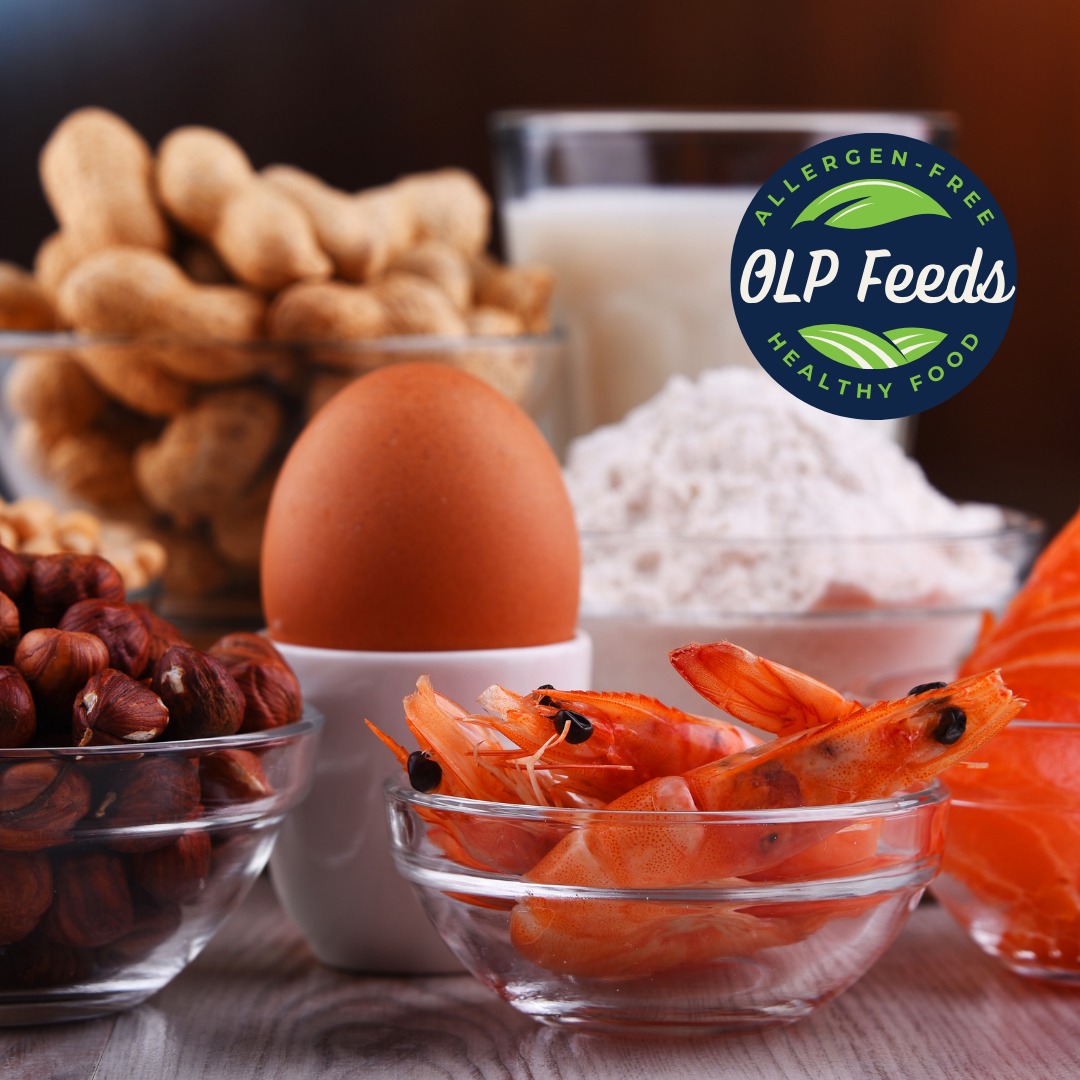
OLP Feeds: Nourishing Hearts, Allergen-Free
🌱 Introducing OLP Feeds: Nourishing Hearts, Allergen-Free 🌱
At Operation Lifeline Provisions (OLP), we believe that every person deserves access to safe and nutritious food, regardless of dietary restrictions. That’s why we are thrilled to announce our new initiative, OLP Feeds: Allergen-Free Healthy Food for Food Insecurity Programs.
🥦 Why Allergen-Free?
We understand that many individuals and families facing food insecurity also grapple with food allergies and dietary restrictions. Our mission here is to provide inclusive solutions that cater to everyone’s needs, ensuring that no one is left behind.
🍽️ What Can You Expect?
- Allergen-Friendly Meals: Our program offers allergen-free and allergen-friendly meals that are delicious, nutritious, and safe.
- Diverse Options: From gluten-free to dairy-free, nut-free to vegan, our menu is designed to accommodate a range of dietary needs.
- Community Support: We’re not just serving food; we’re building a supportive community where everyone feels valued and included.
💪 How Can You Get Involved?
- Spread the Word: Help us reach those who need these services most by sharing this post and telling your friends and family about OLP Feeds.
- Volunteer: Join us in the kitchen, at our distribution points, or in any way you can to support our mission. Every pair of hands makes a difference.
- Donate: Your contributions can help us continue to provide allergen-free meals to those in need. Visit [website link] to make a donation today.
🌟 Together, We Make a Difference
By coming together as a community, we can combat food insecurity and ensure that everyone, regardless of dietary restrictions, has access to healthy, allergen-free meals. OLP Feeds is our commitment to nourishing hearts and transforming lives.
Thank you for being a part of this journey. ❤️
#OLPFeeds #AllergenFree #FoodInsecurity #NourishingCommunity #Inclusivity #HealthyFoodForAll

Feeding Hope: Budget-Friendly Shelter-Ready Recipes
At homeless shelters, they understand that convenience often goes hand in hand with nourishment. For many residents, access to a kitchen or traditional cooking facilities can be a challenge. That’s where microwavable meals come to the rescue, providing not only sustenance but also a sense of ease and comfort during difficult times.
In this blog post, we’ll explore the importance of microwavable meals in our shelter and share some creative and budget-friendly ideas to make sure our residents have access to warm and satisfying food. We believe that these meals can be a source of solace and dignity, reminding our guests that they are cared for and supported on their journey to stability. So, let’s dive into the world of microwavable meals and discover how they make a difference in the lives of those experiencing homelessness.
Microwavable meals are a convenient and practical option for shelter residents. Here are some microwavable meal suggestions that are easy to prepare, budget-friendly, and nutritious:
- Microwaveable Rice and Beans:
- Combine instant rice with canned beans (such as black beans or pinto beans).
- Add a packet of pre-made seasoning mix or salsa for flavor.
- Microwave until heated through, stirring occasionally.
- Microwavable Pasta:
- Choose microwaveable pasta cups or bowls available at most grocery stores.
- Top with canned marinara sauce or a microwaveable cheese sauce cup.
- Heat until hot, and you have a quick pasta dish.
- Microwavable Oatmeal:
- Individual packets of instant oatmeal are a great breakfast option.
- Add hot water or microwave with water, then stir in dried fruit or nuts for extra nutrition and flavor.
- Microwaveable Soup Cups:
- Purchase microwaveable soup cups with varieties like chicken noodle, tomato, or vegetable soup.
- Heat according to the instructions on the packaging.
- Microwaveable Mac and Cheese:
- Individual servings of microwaveable macaroni and cheese are a comforting and quick option.
- Add a can of mixed vegetables or diced tomatoes for added nutrients.
- Frozen Microwaveable Burritos:
- Look for frozen burritos that can be heated in the microwave.
- Serve with salsa or sour cream for extra flavor.
- Microwavable Instant Mashed Potatoes:
- Instant mashed potatoes can be prepared in the microwave.
- Serve with canned gravy and a side of canned vegetables for a filling meal.
- Microwavable Breakfast Sandwiches:
- Frozen breakfast sandwiches are convenient for a quick morning meal.
- Heat in the microwave and serve with a piece of fruit.
- Microwavable Instant Soup Bowls:
- Many brands offer instant soup bowls with various flavors like chicken noodle, miso, or chili.
- Just add water and microwave.
- Microwavable Rice and Vegetable Stir-Fry:
- Purchase frozen rice and vegetable stir-fry bowls.
- Heat in the microwave and add a sauce for extra flavor.
- Microwaveable Chili:
- Look for canned microwaveable chili or heat canned chili in a microwave-safe bowl.
- Serve with crackers or cornbread.
- Microwavable Instant Grits:
- Instant grits can be prepared quickly in the microwave.
- Top with cheese, butter, or even a fried egg for added taste.
Remember to provide disposable microwave-safe containers and utensils for shelter residents to use. These microwavable meal options can help ensure that residents have access to warm and nutritious food, even without a full kitchen.