All posts by Kristi

Projects in the Prototyping Phase
Last year was a year of collection! Utilizing the buy nothing groups on Facebook I’ve been collecting materials for my upcoming projects. The following you can expect to see results of this year.
Beyond the Visual
The pinhole camera is a natural example of the LSF (light, sound, form) framework, which categorizes sensory experiences into three types: light, sound, and form. The pinhole camera primarily deals with the visual aspect of the framework and involves the manipulation and capture of light to create an image. The process involves redirecting light rays through a small aperture to create a clear image, representing the “light” aspect of the framework, while the resulting image captures the form of the objects in front of the camera, representing the “form” aspect. In summary, the pinhole camera is an example of the LSF framework, as it illustrates the manipulation and capture of light to create a form or image.
Refractions of the Soul
This project incorporates ancient symbology and mythology into the creation of a reflective light effect using transparent plastic. The use of light in ancient symbology and mythology is often associated with the divine and the spiritual, representing the power and wisdom of the gods. The project builds on this concept by utilizing transparent plastic, a modern material, to create a visual representation of the ancient symbolism of light. Through the use of small strips of transparent plastic, the project creates a unique and visually interesting effect reminiscent of ancient myths and legends. The whisps of light created through this technique evoke images of mystical creatures and magical powers, as described in many ancient myths and legends. The project provides step-by-step instructions for creating the effect, encouraging experimentation and creativity while also teaching basic principles of light and reflection. By incorporating ancient symbology and mythology, the project allows participants to connect with the past while also exploring new artistic techniques and materials.
Cellular Automata
Cellular automata (CA) is a branch of mathematics that studies the behavior of systems that are composed of many identical components. It is commonly used to model physical, biological, and artificial systems. CA models consist of a grid of cells that interact with each other according to a set of rules. Each cell can be in one of a number of different states, such as “on” or “off.” Cellular automata mathematics is based on the idea of a cellular universe, where each cell has a state that can be changed through interactions with other cells. Many natural examples of Cellular Automata that I’m investigating are ready for art production, Magknotic, Electrography, and a few others.
Biomimicry
In regards to Biomimicry, I am creating designs that are inspired by nature. Whether they may be direct imitations or inspirations, nature is a major element in this portfolio. My ‘Aquaware’ artwork depicts 3D printed vases in the shapes of lakes and other bodies of water; my ‘Moth Music’ artwork contains wooden sculptures of the antennae of moths, which is what moths use to hear in nature, and using their shapes to construct contemporary wooden harp-like instruments. Additionally, I am investigating this project through photographing different types of moth antennae.
In concluding this exploration, the convergence of ancient symbology, cellular automata, and biomimicry showcases the diverse avenues through which creativity intertwines with fundamental principles. From harnessing light to evoke ancient mysticism to exploring the intricate patterns of cellular automata and drawing inspiration from the natural world through biomimicry, each endeavor encapsulates a unique fusion of art, science, and history. As we traverse these artistic landscapes, we find ourselves not only engaged in the act of creation but also immersed in a rich tapestry where past meets present and where the foundational elements of light, sound, and form become the threads binding the diverse expressions of human ingenuity. Through these projects, we are not merely observers but active participants in the ongoing dialogue between art and the fundamental elements that shape our perceptual experiences.

PV Art Supply Exchange
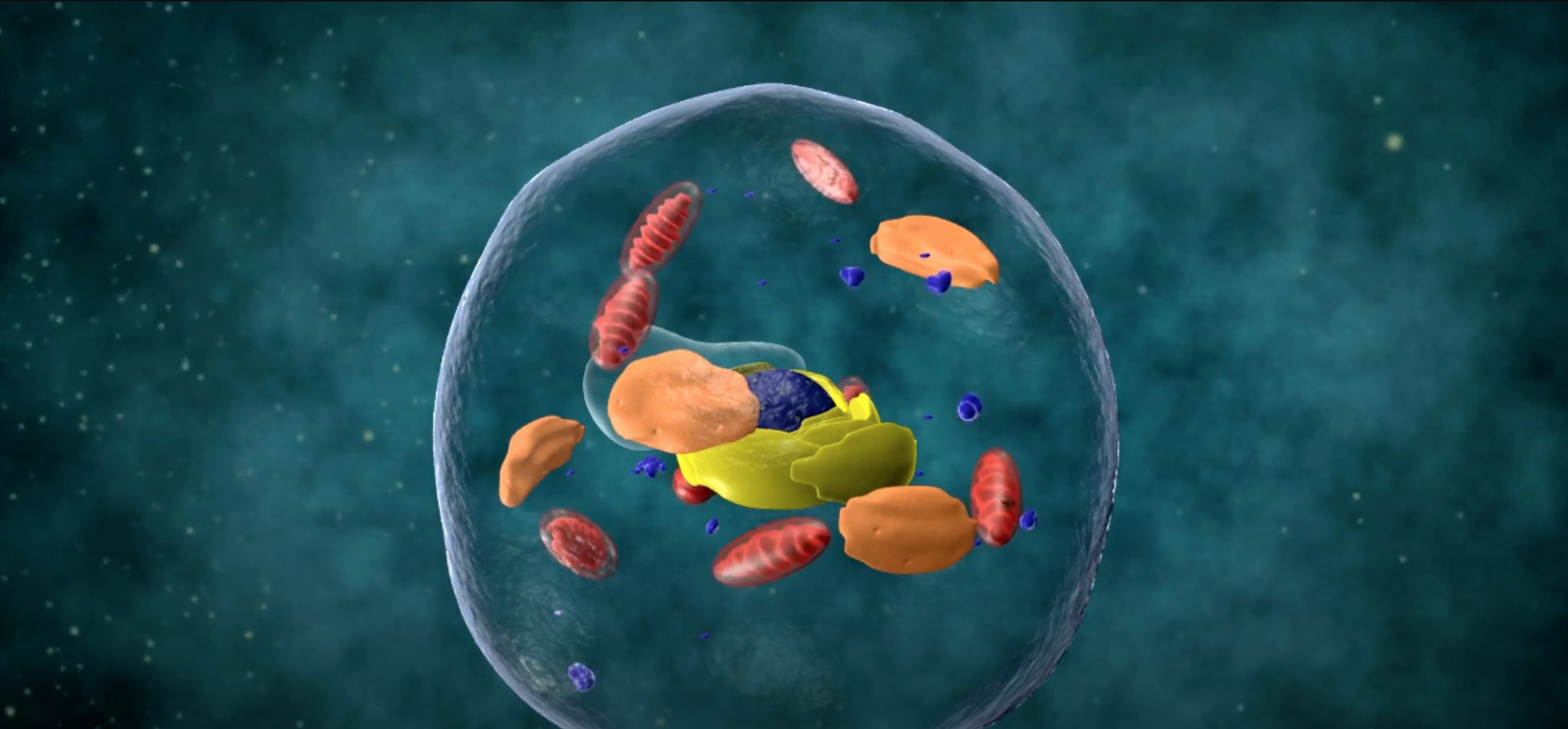
Ouroboros and Gestation of Life | Episode 002, Season 1
Magnetic Fields and the Tree of Life | Episode 001, Season 1
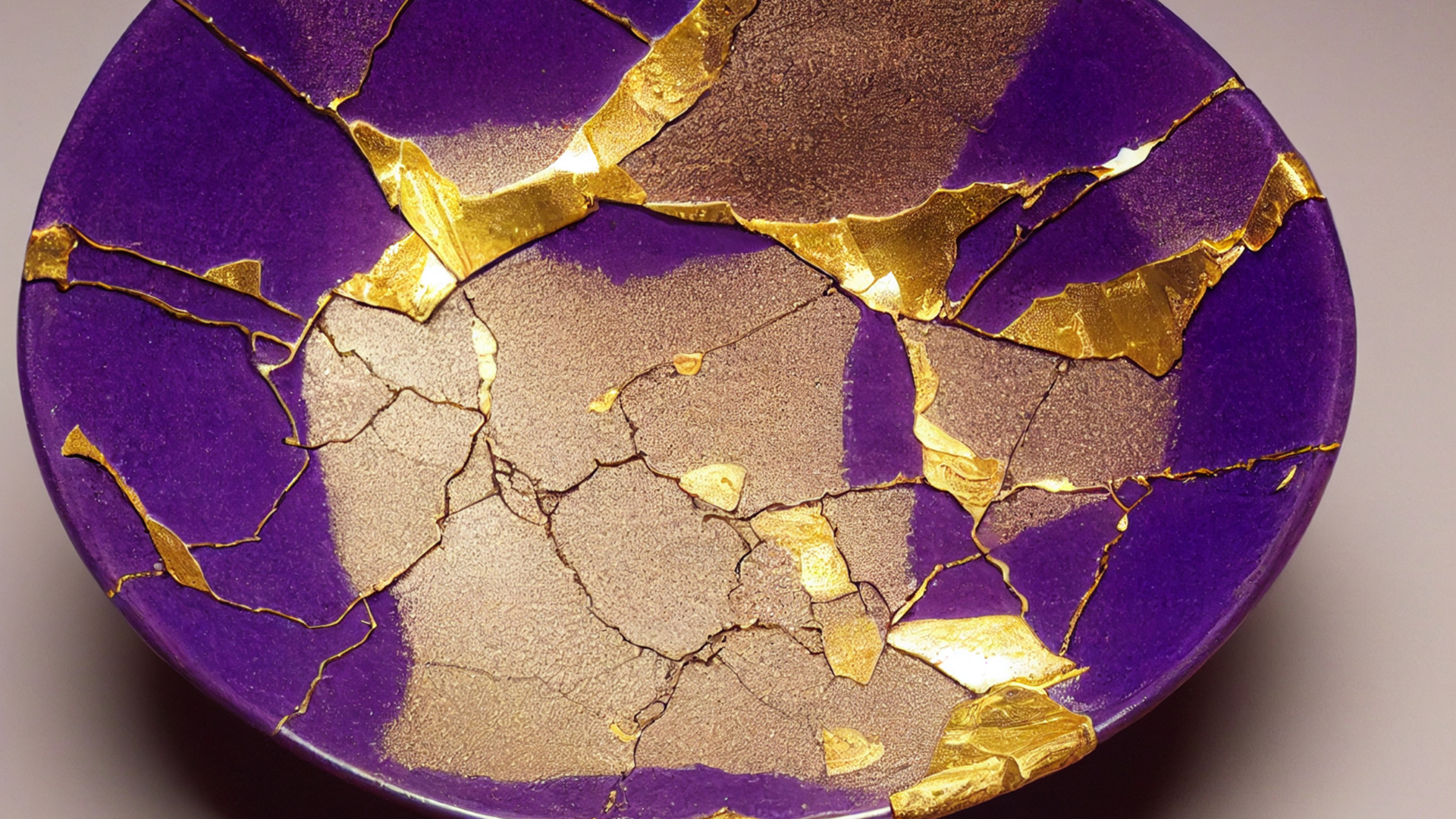
Reflections: Embracing Imperfection: My Journey to Self-Acceptance
Last year, I encountered a rather unexpected piece of gossip circulating about me. Someone I used to work with suggested that I portrayed an image of being ‘perfect,’ an accusation that struck me deep. It’s not that I ever claimed to be flawless or carried myself in a way that suggested such. In fact, the idea of perfection has never been a part of my narrative. However, after taking some time for introspection, I realized that the comment may have been referring to my overall place in life.
I do admit to exuding confidence, but that confidence has been hard-earned through navigating the tumultuous waters of life. It’s a product of the challenges I’ve faced, the battles I’ve fought, and the personal growth that followed. The road to self-assurance is often paved with struggles and hardships, and mine is no exception. In terms of physical appearance, I’ve long accepted that I don’t fit the conventional standards of beauty. I don’t possess the classic features that society often deems attractive. And you know what? That’s perfectly fine. Physical appearance is important in certain aspects of life, especially in relationships where intimacy plays a role. However, I firmly believe that people fixated solely on physical appearance are missing the depth and substance that truly matter. A quick glance at my website, portfolio, and self-promotion strategies reveals that I prioritize authenticity and substance over superficiality.
Coming to terms with these aspects of myself wasn’t an overnight realization. The gossip about appearing ‘perfect’ stung because it seemed to undermine the years of hard work, introspection, and healing I’ve invested in myself over the past decade. I’ve actively worked on healing my inner child and undergoing a profound transformation. The accusation felt particularly jarring because, at the time, I had just emerged from a period that can only be described as hell – navigating a now former, challenging job and housing situation. If someone perceived me as ‘perfect’ in any way, it seems I’ve reached a point in my journey. However, the irony is not lost on me. Those who see themselves as imperfect are often wrestling with their own insecurities and uncertainties.
In retrospect, the comment, though hurtful initially, became slightly amusing. To be accused of looking ‘perfect’ in the midst of overcoming my own personal hell was a testament to the resilience I had developed. It reinforced my understanding that judgments, especially those based on appearances, often lack depth and nuance. My journey has been one of embracing imperfection, both in character and appearance. I’ve come to appreciate the beauty in authenticity and the strength that arises from acknowledging and embracing one’s flaws. The road to self-acceptance is ongoing, but I am proud of the progress I’ve made and the person I’ve become through the trials and tribulations. I stand firm in the belief that our worth goes far beyond the surface, and true beauty lies in the authenticity of our stories and the strength we find in our vulnerabilities.